
Pōwhiri: Our opening ceremony
A pōwhiri is a formal Māori welcome ceremony in Aotearoa. It is a process through which mana whenua (hosts of the land) welcome manuwhiri (visitors) into a shared space of respect and responsibility.
Tuesday 21 April
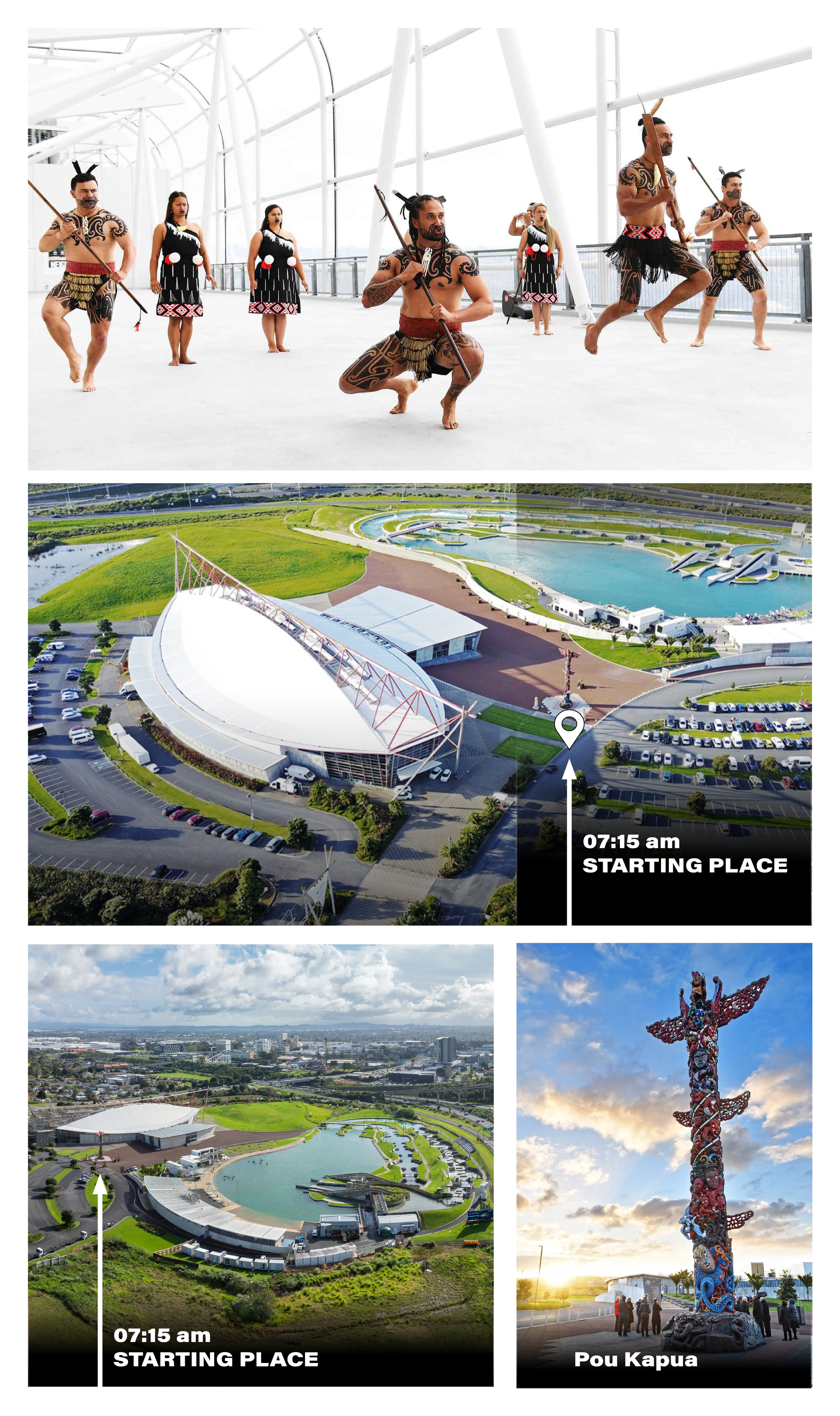
7:00am: Assemble at Pou Kapua. Mana whenua will share the kōrero (meaning) behind the Pou, including its significance and connections to the iwi taketake present.
7:30am: The pōwhiri will commence with karanga (the ceremonial call of welcome) and haka, followed by mihimihi (formal greetings) and waiata (song).
-
When you arrive at W.I.C.C. 2026, you will not simply walk in and find a seat. You will be welcomed through a pōwhiri, a traditional Māori welcoming ceremony grounded in tikanga. A pōwhiri is not a performance. It is a process with a specific purpose: to bring people together, acknowledge one another, and establish connection. By the end of the ceremony, you are no longer a visitor. You belong.
-
The pōwhiri begins at Pou Kapua with the karanga, a ceremonial call performed by wahine (women) of the host group to welcome the arriving delegates. A wahine from the visiting group responds, and the two voices weave back and forth as delegates move forward.
Haka pōwhiri follows. While haka are often associated with challenge or strength, haka pōwhiri are ceremonial and welcoming in nature, performed to bring visitors in.
As people are welcomed in, the group will walk together around the building and into the theatre. Representatives from each country delegation will move to the stage to carry the formal speeches on behalf of all visitors. The majority of delegates will be seated together in the theatre, where you will see and be part of the ceremony from your seat.
Each Indigenous group will be acknowledged individually throughout the pōwhiri, giving you an opportunity to showcase your culture as you are being welcomed.
Mihimihi (formal greetings) take place next, acknowledging who we are, where we come from, and the purpose of the gathering. The speeches begin in te reo Māori, and after the formal welcome, speakers may shift into English so all delegates can follow and understand what has happened. Mihimihi are supported by a waiata (song), which carries history, cultural values, and a shared expression of unity.
The ceremony closes with the hongi between representatives on stage, the pressing together of noses and foreheads. This is the exchange of hā, the breath of life, and is the moment where strangers become one group.
-
Iwi taketake (Indigenous peoples) are warmly invited to wear your traditional kākahu or cultural attire. The pōwhiri is an opportunity to showcase your culture as you are being welcomed, representing your people and your identity.
If you do not have traditional attire, please follow a respectful dress standard: long trousers and collared shirts for men, and formal attire for women, with long dresses or skirts below the knee preferred. How you present yourself is part of how you show respect.
-
Please gather at Pou Kapua at 7.15am, ready for the pōwhiri to begin promptly at 7.30am. It is considered disrespectful to arrive once a pōwhiri has begun. Turn your phone off or to silent. Remain together as a group and follow the guidance of your hosts throughout the ceremony. Do not eat or drink until the pōwhiri is complete.Because of the number of delegates attending, representatives from each country delegation will come forward on stage on behalf of the visiting group for the hongi, whaikōrero, and waiata. You will still be part of the ceremony from your seat.
-
For many of our international delegates, this will be your first time. Let it be unfamiliar. Let it be moving. That is the point. Your presence and your sharing of your own cultural identity is deeply valued. You will be guided.Item description
Tēnā koutou katoa, e ngā iwi taketake o te ao. Nau mai, haere mai ki te Manukanuka o Hoturoa, ki Aotearoa.
Welcome.
Te Rau Ora and Hei Āhuru Mōwai, alongside mana whenua, warmly invite you to take part in W.I.C.C. 2026. The pōwhiri described above is how we open this gathering, a traditional Māori welcoming ceremony that brings people together, acknowledges one another, and establishes connection.
You are encouraged to wear your traditional kākahu or cultural attire, representing your people and your identity. Each Indigenous group will be acknowledged individually throughout the pōwhiri, an opportunity to showcase your culture as you are being welcomed.
If you do not have traditional attire, please follow a respectful dress standard: long trousers and collared shirts for men, and formal attire for women, with long dresses or skirts below the knee preferred.
Your presence, and the sharing of your own cultural identity, is deeply valued. You will be guided throughout by your hosts.
The questions below will help you prepare for the days ahead.
Nau mai, Haere mai
Welcome to W.I.C.C. 2026
Frequently Asked Questions
-
This gathering is shaped by Indigenous peoples from across the world, and your cultural identity is part of what makes it what it is. You are warmly invited to wear your traditional kākahu or cultural attire, particularly during the pōwhiri. Throughout the conference, there will be moments where Indigenous groups are acknowledged individually and given space to share. Your presence and your sharing of your own cultural identity is deeply valued.
-
Each morning before the programme begins, and each evening before the room closes, there will be karakia (Māori ritual chants and prayers). Karakia grounds the work of the day, acknowledges those who have come before us, and holds the space with care. You do not need to understand every word, and you do not need to share the same spiritual framework. What is asked of you is presence. Stand, be still, and listen. In Māori understanding, the power of karakia comes from the collective attention of everyone in the room. Your stillness is your participation.
-
The conference opens with pōwhiri and closes with Mauri Tū, Mauri Ora, our farewell dinner on the final evening. Just as we open with our indigeneity through pōwhiri, we close with it too. The evening will include kai (food), speeches, and entertainment, a chance to celebrate three days of connection and farewell one another well.
-
You will hear te reo Māori throughout the conference, particularly during the pōwhiri, karakia, and opening and closing of each day. Speakers will often weave between te reo Māori and English, and the programme sessions will be delivered in English. You do not need to speak or understand te reo Māori to take part. Key phrases will be translated where helpful, and those around you will guide you through anything unfamiliar.
-
The kaupapa of this conference is the cancer journey of our peoples, and we know that some sessions may stir grief, memory, or strong emotion. You will not be alone. There will be kaimanaaki (support people) available throughout the venue, and quiet spaces to step away if you need to. If you have any questions before you travel, or accessibility, dietary, or wellbeing needs, please contact us at wicc2026@heiahurumowai.org.nz.
-
The opening pōwhiri is a formal occasion. Iwi taketake (Indigenous peoples) are warmly invited to wear your traditional kākahu or cultural attire. If you do not have traditional attire, please wear formal attire: long trousers and collared shirts for men, and formal attire for women, with long dresses or skirts below the knee preferred.
For the rest of the conference, wear something more comfortable. Smart casual is appropriate for the sessions across the three days. The farewell dinner is a formal evening. Tāmaki Makaurau in April can be warm during the day and cool in the evenings, so layers are a good idea.